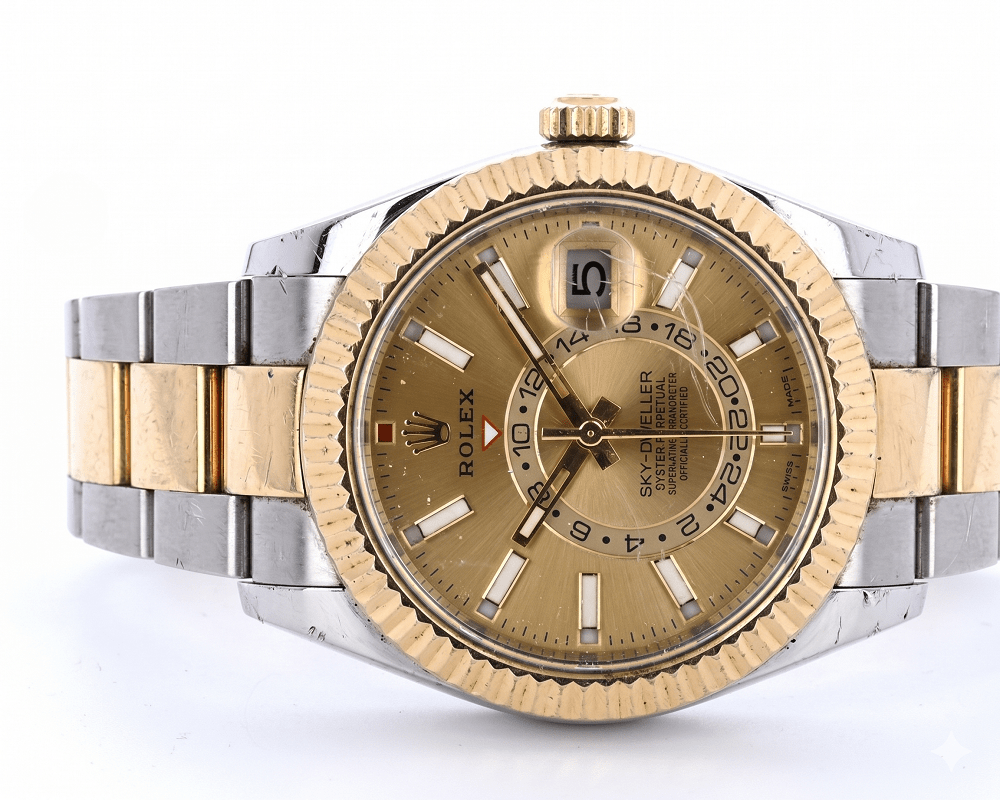
Yes, cosmetic wear reduces the pawn value of a Rolex in Boca Raton. While Rolex watches are durable, professional buyers and pawn shops in the area scrutinize the exterior for scratches, dents, and bracelet stretch, as these imperfections necessitate costly restoration to reach a “mint” or “like-new” condition for resale.
The short answer is: it depends on the type of wear, not just the presence of it. A Rolex with honest scratches from years of daily wear on the wrist is not the same as one that has been polished down repeatedly, and a knowledgeable lender in Boca Raton will treat them very differently. Understanding that distinction before you seek a pawn loan puts you in a stronger position to interpret the offer you receive.
At Pawn Jewelry, we evaluate Rolex watches every day at our Boca Raton, Florida location. Our specialists serve clients across Boca Raton and the broader South Florida market, assessing cosmetic condition as one component of a complete valuation that includes reference number, movement condition, completeness, and real-time secondary market data.
If you want to know what your specific Rolex is worth before you commit to anything, contact our team for a complimentary, no-obligation evaluation.
How Lenders Evaluate Cosmetic Condition on a Rolex
When a luxury pawn lender in Boca Raton examines a Rolex for cosmetic condition, the evaluation is more structured than a general visual impression. Each component is assessed individually using the same framework that drives secondary market resale value, because that market is ultimately what backs the loan.
Case and Bracelet Surfaces
The case and bracelet are typically the first areas of focus. A well-worn Rolex with light surface scratches across the case flanks and center links tells a straightforward story: the watch has been used regularly, and the metal is intact. That kind of honest wear has a limited impact on pawn value because the watch retains its original factory geometry. Two distinct scenarios produce very different outcomes:
- Light honest wear: Surface scratches from regular use with intact case edges and original brushed and polished surface contrast. Minimal impact on pawn value.
- Polished case: Metal removed through polishing rounds the case edges, eliminates the contrast between finished surfaces, and permanently alters the factory geometry. Experienced lenders recognize this on sight, and the loan offer reflects it.
Crystal Condition
The crystal on a modern Rolex is sapphire, which is highly scratch-resistant but not immune to damage. The condition of the crystal is evaluated on a straightforward spectrum:
- Light surface marks: Negligible impact on pawn value. A genuine Rolex sapphire replacement crystal is available through service channels and its cost is well-known to specialist lenders.
- Cracked or deeply chipped crystal: Evaluated differently because it signals potential impact damage to the dial beneath it and raises questions about the watch’s broader care history.
Bezel Condition
The type of bezel determines how its wear is evaluated. Each material presents a different risk profile for the lender:
- Ceramic Cerachrom bezels: Used on modern Submariner, GMT-Master II, Daytona, and Yacht-Master 42mm models. Highly resistant to scratching and fading. Worn examples typically show only minor surface marks with minimal impact on value.
- Aluminum bezels: Found on older references. Softer and prone to fading over time. Notable fading reduces pawn value because authentic replacement inserts for vintage references are increasingly difficult to source at reasonable cost.
- Precious metal bezels: Including the platinum bezels on Rolesium Yacht-Master models. Evaluated specifically for metal loss from polishing, which can reduce both the bezel’s mass and its original finishing.
Dial Condition
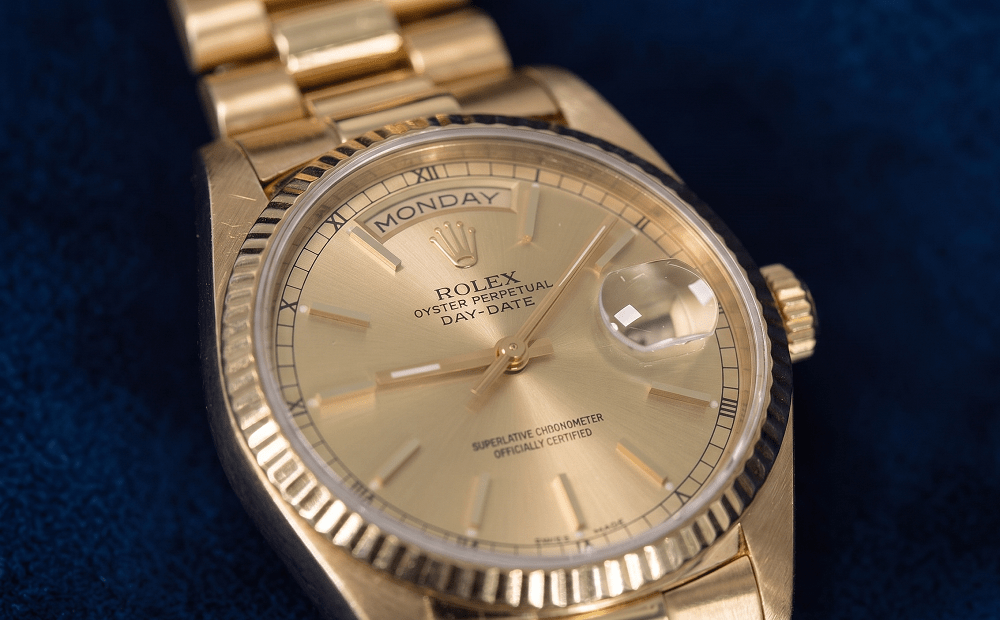
The dial is the most delicate component on the watch, and damage to it carries an outsized impact on pawn value relative to almost any other type of cosmetic wear. The specific conditions a lender flags include:
- Moisture intrusion or water damage: Discoloration or staining from liquid exposure signals a compromised case seal and raises questions about movement condition.
- Re-lumed hands and indices: Any re-luming work is a modification from factory specification. Even professionally executed re-luming reduces resale desirability to the collector and dealer market that drives loan values.
- Dial refinishing: A refinished or repainted dial is treated similarly to a modified dial. The factory applied finish is original to the watch, and any deviation from it reduces collector appeal and the loan offer accordingly.
Does Polishing a Rolex Before a Pawn Evaluation Help or Hurt?
Most Boca Raton Rolex owners assume a freshly polished watch will produce a higher pawn loan offer. In practice, the opposite is typically true, because experienced lenders recognize polishing immediately and the secondary market prices originality above cosmetic shine.
What Polishing Actually Does to a Rolex
Polishing is not restorative in the way that a mechanical service restores a movement. When a technician polishes a Rolex case, they use abrasives to remove a thin layer of metal, which eliminates scratches by making the surrounding metal level with the scratch. Each polish removes a measurable amount of metal.
Over time, repeated polishing rounds the sharp case edges that define the watch’s factory geometry, softens the lug profiles, and blurs the transition between the brushed and polished surface areas. That geometry cannot be restored without laser welding, which itself introduces further complications for value.
How the Secondary Market Prices Polished Watches
The secondary market for pre-owned Rolex watches places a premium on originality. An unpolished Rolex with visible but honest wear, original case sharpness, and factory finishing intact consistently commands stronger prices than a polished example of the same reference in otherwise identical condition.
Collectors refer to this as the originality premium, and it is a well-documented feature of the Rolex resale market. Because pawn lenders base their loan offers on secondary market resale values, a polished watch typically produces a lower offer than an unpolished one.
When Polishing Has Minimal Impact
Not every polished Rolex takes a meaningful hit. Modern Rolex watches are built from 904L stainless steel, which is notably more corrosion-resistant than the 316L steel used by most watch brands but is not harder. A single, carefully executed professional polish on a modern reference with intact case lines may leave the geometry largely intact and produce only a modest reduction in value.
The greater risk comes from repeated polishing over years of ownership, from DIY polishing attempts, or from generalist watchmakers who lack the experience to maintain Rolex case lines. Lenders assess the degree, not just the fact, of polishing.
Types of Cosmetic Wear and Their Impact on Pawn Value
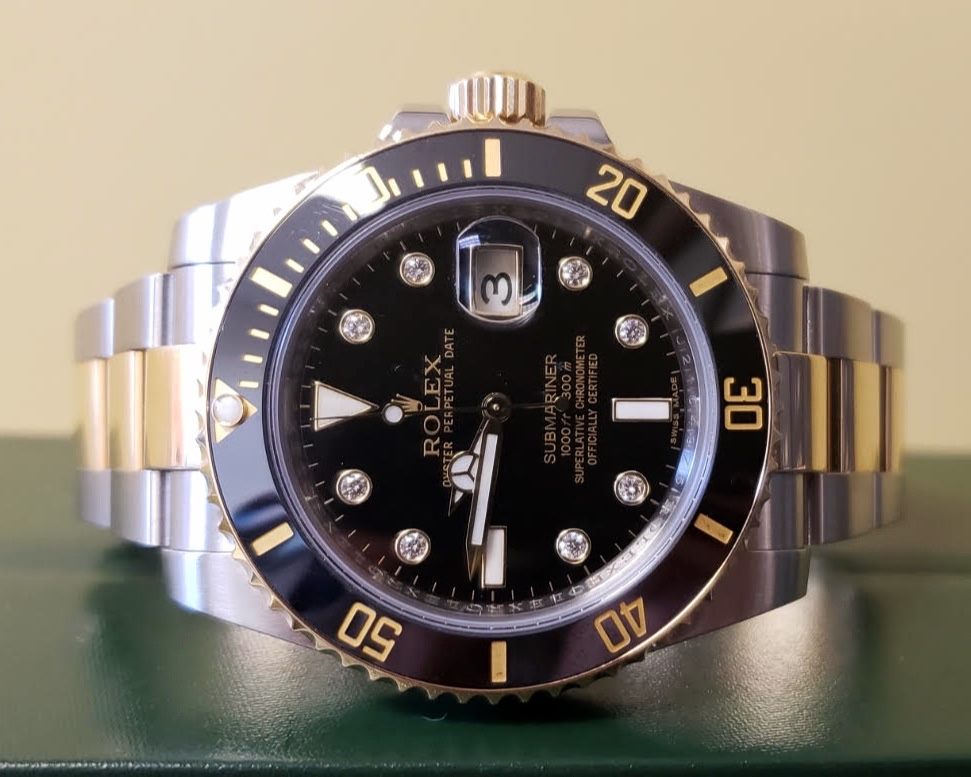
Not all cosmetic wear reduces a Rolex pawn offer equally, and some types carry virtually no penalty at all. What matters to a lender is whether the wear affects the watch’s originality, its resale desirability, or its mechanical integrity.
Light Surface Scratches
Light surface scratches on the case and bracelet from normal daily wear have a minimal impact on pawn value for most modern Rolex references. They are expected on a worn watch and do not indicate any structural concerns. A watch with light wear that retains original case sharpness and factory finishing is generally treated as being in used but honest condition.
Heavy Case Wear and Deep Scratches
Deep scratches, gouges, or substantial case deformation reduce pawn value because they reflect either impact damage or extremely heavy use. The distinction a lender makes is between wear that occurred during normal activity and wear that suggests the watch has been damaged. Deep scratches on a sapphire crystal are particularly relevant because they may indicate that the watch was subject to an impact hard enough to potentially affect the movement.
Over-Polishing
As covered above, over-polishing permanently alters a watch’s factory geometry and is priced accordingly. Watches with rounded lugs, softened case transitions, and no visible brushed-polished surface contrast are identified quickly by experienced evaluators. The value reduction depends on the reference and degree of polishing but can range from a few percentage points for a lightly polished modern piece to considerably more for a vintage reference where the over-polishing is extensive.
Bracelet Stretch
The Oyster bracelet on steel Rolex sports models will develop stretch at the clasp over time with regular wear. Noticeable bracelet stretch signals extended use and may require bracelet work, which reduces the loan offer because the lender accounts for the cost of restoring the bracelet to functional condition. Oysterflex bracelets on precious metal models are essentially immune to stretch and do not carry this deduction.
Your Worn Rolex Still Has Strong Pawn Value in Boca Raton
Cosmetic condition is one part of a complete Rolex pawn evaluation, not the only part. A watch with light surface wear and strong reference number desirability will receive a competitive loan offer. A watch with heavy over-polishing on a less liquid reference will receive a lower one. The two variables work together, and no single cosmetic factor overrides everything else.
Pawn Jewelry evaluates each Rolex on its actual condition, reference, and current market demand. Our Boca Raton specialists are experienced with the full range of cosmetic conditions that luxury watches present, from pristine unpolished examples to heavily worn daily wearers. If you are wondering how cosmetic wear on your specific watch will be evaluated, the most direct answer is to bring it in or submit it online for a complimentary assessment.
Frequently Asked Questions
Yes, but the reduction depends on the type and severity of the wear rather than the simple presence of scratches. Light surface wear from regular use has minimal impact on a pawn loan. Over-polishing, crystal damage, and dial modification carry more meaningful reductions because they affect originality and resale desirability. A specialist lender evaluates each component separately rather than applying a blanket condition discount.
In most cases, polishing a Rolex before a pawn evaluation will not increase the offer and may reduce it. Lenders experienced in luxury watches value originality and intact factory geometry. A freshly polished watch may look cleaner to the eye, but an experienced evaluator recognizes the rounding of case edges and loss of surface contrast that polishing produces. The secondary market, which drives pawn loan values, consistently prices unpolished examples higher than polished ones.
The reduction from over-polishing varies by reference and degree of polish, but the impact can range from a modest percentage on a modern piece with light polishing to a considerably larger reduction on a vintage reference with extensive material loss. The primary variables are how much of the original factory geometry remains and how desirable the reference is to the collector and dealer market that determines resale values.
Light surface marks on a sapphire crystal have minimal impact because replacement crystals are available and their cost is factored in. A cracked or deeply chipped crystal is evaluated differently because it raises questions about potential impact damage to the dial or movement. Lenders assess the crystal as part of a complete condition review rather than in isolation.
Faded bezels on older references with aluminum inserts do reduce pawn value because authentic replacement inserts for vintage references are increasingly difficult to source at reasonable cost. Ceramic bezels on modern models are highly resistant to fading and rarely carry a meaningful deduction for normal wear. Precious metal bezels are evaluated for polishing-related material loss.
Yes. Dial damage carries a disproportionate impact on pawn value relative to most other types of cosmetic wear. Moisture damage, re-luming, refinishing, or any modification from factory specification reduces the watch’s desirability to the secondary market significantly. The dial is typically one of the first components a lender examines because it is also one of the most commonly altered components on modified watches.
Yes. A Rolex with honest cosmetic wear from regular use remains a liquid, valuable asset and will receive a competitive loan offer from a specialist lender. The reference number, model desirability, movement condition, and whether the watch comes with its original box and papers are all material factors that can offset modest cosmetic deductions. Contact our Boca Raton team to get a clear, no-obligation assessment of what your watch is worth.
Pawn lenders grade cosmetic condition by examining the case geometry, surface finishing, crystal, bezel insert, dial, and bracelet or strap individually rather than assigning a single overall grade. Each component carries its own weight in the loan calculation based on its impact on secondary market value. This component-by-component approach produces a more accurate and transparent offer than a simple “good,” “fair,” or “poor” overall condition rating.